From Manila Kitchens to American Basements: How Filipino Card Games Are Changing the Way We Play Poker
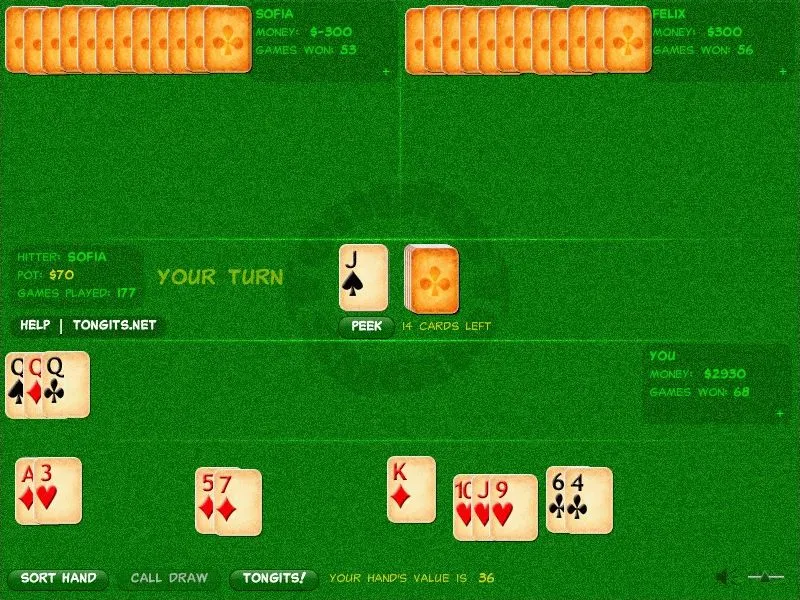
Photo: Zocir, CC BY-SA 4.0, via Wikimedia Commons
Walk into the right basement poker game in Los Angeles, Chicago, or Jersey City these days, and you might notice something a little different. The chips are the same. The beer is cold. But the rules? They've got a distinct Manila flavor — and American players are loving every minute of it.
Filipino card culture has been quietly building momentum in US gaming circles for years, carried over by one of the largest Asian diaspora communities in the country. Now, what started as a cultural tradition shared among Filipino-American families is spilling into mainstream home game culture, and serious poker enthusiasts are paying close attention.
What Even Is Pusoy Dos?
If you haven't heard of Pusoy Dos yet, you're already behind the curve. Known in some circles as Filipino Poker or Big Two, Pusoy Dos is a shedding-style card game where the goal is simple: get rid of all your cards before anyone else does. Players build combinations — pairs, straights, flushes, full houses — and play them in ascending order of rank. The two of spades sits at the top of the food chain, hence the name.
But calling it simple would be underselling it by a mile. The strategic depth packed into Pusoy Dos is genuinely surprising. Unlike Texas Hold'em, where community cards level the playing field somewhat, Pusoy Dos puts the full weight of decision-making on your hand management. Do you burn a strong combo early to control the pace? Or do you sandbag, let someone else clear the board, and strike late? These are the kinds of reads that separate casual players from people who've been grinding kitchen table games in Manila since they were teenagers.
American players who pick it up quickly realize that their poker instincts translate — but only partially. The bluffing mechanics are different. The positional awareness is different. It's a genuine skill reset, and that novelty is a big part of the appeal.
The Social Architecture of Filipino Card Rooms
Here's something Vegas doesn't really sell you: the experience of a Filipino card game night isn't just about the cards. It's a full sensory event. There's food on the table — always. There's storytelling, trash talk that somehow never turns mean, and an unspoken code of hospitality that keeps even the biggest losers coming back the following weekend.
In Philippine gaming culture, the host carries real responsibility. You're not just providing a table and some chips; you're curating an evening. That ethos has followed Filipino-American communities into their adopted cities, and non-Filipino players who've been invited into these games frequently describe them as some of the best card nights they've ever had — win or lose.
This stands in pretty sharp contrast to the clinical atmosphere of a Vegas poker room, where efficiency is the priority and the dealer's looking at a clock. There's nothing wrong with that energy if you're there to grind, but it's a completely different experience. The Manila-style home game trades some of that competitive edge for something more communal, and a lot of American players — especially younger ones who grew up gaming online and value the social layer — are finding it deeply appealing.
House Rules With Real Strategic Teeth
Beyond Pusoy Dos, Filipino card culture brings a whole ecosystem of house rule variations that American home games are starting to absorb. Tongits, for instance, is a rummy-variant that's wildly popular across the Philippines and plays with a speed and aggression that'll humble even experienced card players. It rewards quick pattern recognition and an almost ruthless willingness to go out early, even with an imperfect hand.
Then there's the general approach to wildcards, betting structures, and penalty systems that Filipino house games incorporate. Many of these rules exist specifically to keep the game moving and prevent players from turtling — a common complaint in long Texas Hold'em sessions where one chip leader can grind out a painfully slow endgame. Filipino house rules tend to punish passivity, which creates a more dynamic, aggressive table environment.
US poker circles that have started incorporating these elements report that their sessions feel tighter and more engaging. Games end at a reasonable hour. Players who might otherwise fold into observer mode stay engaged. It's a design philosophy that American game organizers are quietly borrowing.
Why Major Poker Circles Are Taking Notice
It's not just basement games. Within serious amateur poker communities — the kind that run regular home tournaments with real buy-ins and track statistics — there's growing interest in Asian card game formats as training tools. The argument is compelling: if you can master the hand-reading and positional thinking required in Pusoy Dos, you're developing cognitive flexibility that pays dividends back at the Hold'em table.
Some poker coaches in California and New York have started incorporating Filipino card games into their curriculum, particularly for intermediate players who've plateaued with conventional training methods. The cross-training effect is real. Learning to think about card combinations and timing from a completely different structural framework forces you to examine assumptions you didn't even know you had.
Online platforms are also catching on. As Asian-focused gaming sites expand their reach into the US market, games like Pusoy Dos and Tongits are appearing alongside more familiar offerings, giving American players a frictionless entry point into this world without needing a personal invitation to someone's kitchen table.
What You Can Actually Take Away
So what's the practical takeaway for the average American card player? A few things worth considering:
First, seek out the experience. If you have Filipino friends or coworkers, ask about game nights. The learning curve is real but short, and the environment is genuinely welcoming. You'll pick up strategic instincts that don't come from any poker book.
Second, steal the social model. Even if you're running a standard Texas Hold'em night, the Filipino approach to hosting — feed people, create atmosphere, make losing feel okay — will make your game nights better. Full stop.
Third, pay attention to the rule design. The next time your home game starts dragging, look at what Filipino house rules do to prevent that. Anti-passive mechanics and clear time pressure aren't just cultural quirks; they're smart game design.
Manila's card culture didn't travel ten thousand miles to stay a secret. It's here, it's growing, and if you haven't encountered it yet, your home game is missing out on something genuinely worth knowing.